• Home
  • Our Story
    • Financial Report
    • Staff
    • Trustees
    • Leadership Council
    • Partnerships
  • Our Work
    • Our Conservation Strategies
    • Aquidneck Resilience
    • Land & Water Projects
    • Farmlands
    • Outreach & Education
    • Watersheds, Parks & Habitat
    • Strategic Plan
    • 2025 Annual Report
    • Merritt Fund
  • Get Involved
    • Become a Member
    • Trail Maps
    • Conserve Your Land
    • Volunteer Opportunities
    • Community Garden
    • Annual Events
    • Annual Meeting
  • Island Insights
    • Blog
    • Interactive Trail Map
    • Native Plant Resources
    • Biodiversity Study
    • Farm Conservation
  • Trail Maps
  • Become a Member
    • Gift a Membership
    • Join the Land Trust
    • Renew Membership
    • Donate Now
  • Ways to Give
    • Donate Now
    • Leave a Legacy
    • Vehicle Donation
    • Gift of Property
  • Menu Menu
  • Island Insights

    island-insights

Aquidneck Island has long been home to a vibrant, year-round, residential community, as well as a global destination for seasonal residents and vacationers. The Island’s beaches, open farmlands, scenic vistas, and abundant and accessible recreational spaces provide an unparalleled quality of life. But over time, the qualities that make our Island so special have begun to change. Development is negatively impacting our environment, raising critical concerns for our future.

In 1990, in response to this threat of unbridled development, a group of local residents joined together to form the Aquidneck Island Land Trust. The Land Trust’s mission is simple: to preserve and steward Aquidneck Island’s lands and waters for the lasting benefit of the community, while connecting people to the land that defines the Island’s natural character.

blog-1

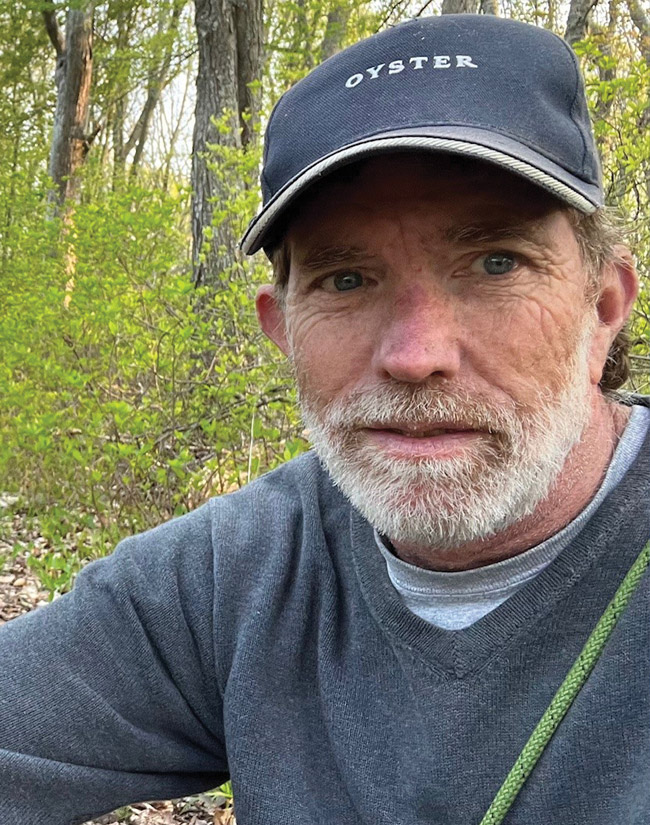
Family Legacy

April 4, 2025
Son realizes his father’s wishes with conservation commitment
Read more
https://ailt.org/wp-content/uploads/2025/04/blog-1.jpg 825 648 support /wp-content/uploads/2025/02/AILT-Logo-Web_Secondary-Configuration-Color.svg support2025-04-04 01:45:342025-06-26 14:24:12Family Legacy
blog-love

Love of Place

April 4, 2025
Longtime Middletown residents support land protection for the future
Read more
https://ailt.org/wp-content/uploads/2025/04/blog-love.jpg 825 650 support /wp-content/uploads/2025/02/AILT-Logo-Web_Secondary-Configuration-Color.svg support2025-04-04 01:44:342025-06-26 14:33:24Love of Place
blog-island

The Island Way

April 4, 2025
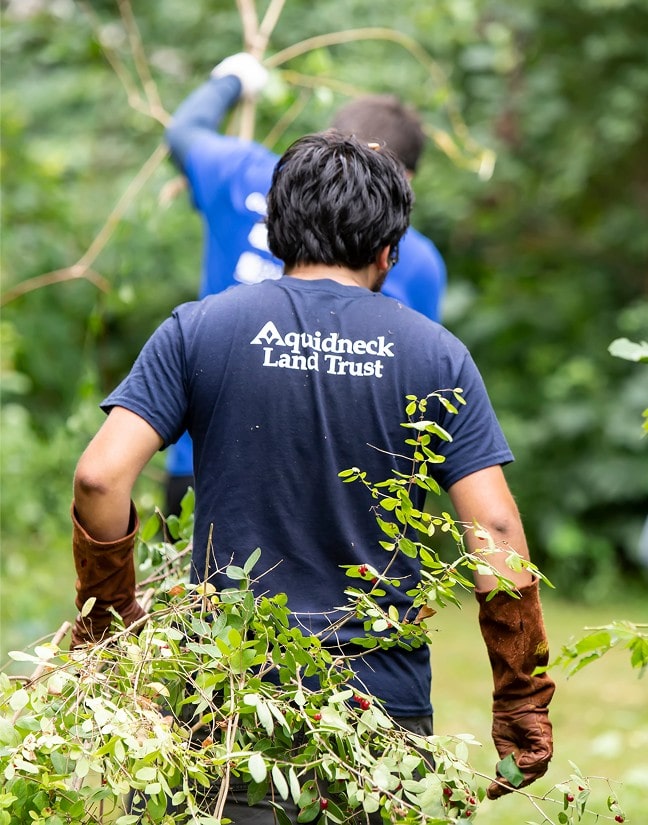
Sakonnet Greenway Trail thrives with volunteer stewardship
Read more
https://ailt.org/wp-content/uploads/2025/04/blog-island.jpg 825 650 support /wp-content/uploads/2025/02/AILT-Logo-Web_Secondary-Configuration-Color.svg support2025-04-04 01:44:332025-06-26 14:31:36The Island Way

Explore Aquidneck Island

Sakonnet Greenway
PDF | GIS

Oakland Forest & Meadow
PDF | GIS

Spruce Acres Farm
PDF | GIS

Little Creek Preserve
PDF | GIS

Town Pond
PDF | GIS

Outdoor Recreation Map
PDF

  • Native Plant Resources
  • Biodiversity Survey
  • Farm Conservation
island-insights

Native Plant Resources

Planting native species offers numerous ecological, aesthetic, and practical benefits. Native plants are specifically adapted to a region's climate and soil, requiring less water and maintenance. They also provide critical food and shelter for native wildlife facing decline due to habitat loss, including birds and beneficial insects like pollinators.

There are many benefits of landscaping and gardening with native plants including conserving water, protecting soil from erosion, and creating habitat. Simply by growing native plants gardeners can bring enormous beauty to a community and joy to its residents, while also being good stewards of our environment. In addition, native plants are easy-to-grow and require minimal maintenance.

View the plants we have in the Pollinator Garden at Spruce Acres Farm here. Or, view suggested perennials.

View a list of native shrub species found on our preserves that we recommend planting here. Or, view native trees species here.

View a list of our rain garden plants here. Or, view suggested native rain garden perennials, trees and shrubs.

Worried about invasives? Find a list of common Aquidneck Island invasives here.

Live near the ocean or looking for dune stabilization? Check out our list of salt tolerant plants here.

Native Plant Resources for Rhode Island:

  • RI Native Plant Guide - URI Cooperative Extension: Online database that provides background information on native species to Rhode Island and their planting requirements.
  • Rhode Island Wild Plant Society (RIWPS): A Rhode Island-specific native plant non-profit that hosts plant sales, botany talks, and has a database of invasive species. The Land Trust works with their initiative, ReSeeding Rhode Island (https://riwps.org/reseeding-ri/), preserving the genetics and increasing the supply of RI’s native plants with foundation plots, two located at Spruce Acres Farm.
  • Native Plant Trust Plant Finder: Another online database, this one based on New England species. A helpful tool for people trying to figure out what native species they could plant on their own properties.
  • Xerces Northeast Native Plant List: Xerces Society is a great resource for anything related to pollinators and beneficial insects. They have a native plant list for the northeast focused on species that are particularly valuable for pollinators/beneficial insects.
  • Smith, S. B. and S. R. McWilliams. 2015. Recommended plantings for migratory songbird habitat management. Rochester, NY: Rochester Institute of Technology and the University of Rhode Island. 2 p.: Goes into detail on the specific nutritional value of various native plant species for birds.
  • Xerces Society also provides a great resource for Nesting and Overwintering Habitat for Pollinators and Other Beneficial Insects.

Questions? Contact Stewardship Manager Sean Grandy at sgrandy@ailt.org or call 401-849-2799 x115.

island-insights

Biodiversity Survey

Calling all citizen scientists! Aquidneck Island Land Trust has an exciting project: recording all of the species that call four of our public properties home. This information will give us a better sense of the biodiversity on our properties and will help us to make informed property management decisions in the future. We are currently recording species at Spruce Acres Farm, Little Creek Preserve, Oakland Forest and Meadow Preserve, and along the Sakonnet Greenway Trail. To volunteer on this project, download the iNaturalist app on your smartphone; more detailed instructions are available here.

Please remember to stay on the trail and be respectful of our neighbors when making observations. Questions about the project? Visit our FAQs page or contact Sean Grandy at sgrandy@ailt.org.

farm-conservation-header

Farm Conservation

In 2016 Aquidneck Land Trust completed a Farmland Conservation Plan that focuses on a way forward to protect farmland and increase the viability of farming on Aquidneck Island. This project, funded by the van Beuren Charitable Foundation, used a combination of literature research, farmer surveys, farmer interviews, on-the-ground knowledge, and spatial data to inform its findings.

Based on the data collected, the plan presents the current challenges of farming locally; offers possible solutions to these challenges; creates a farm protection plan to guide conservation of high priority farmlands in the future; creates an index of partners and local expertise on farm issues; develops an advocacy policy to help guide the Land Trust’s farm-related advocacy work; and compiles resources on topics such as succession planning and business planning.

Other components of our increased farm conservation efforts include a land-link database and increased collaboration with partner groups on workshops and resource offerings.

80%

of farmland in Rhode Island lost to development or forest succession

1.47B

of dollars in annual sales related to agriculture in Rhode Island

Why should we conserve farmland on Aquidneck Island and in the State of Rhode Island?

  • Farming is a significant economic power both in the state and on Aquidneck Island. Agriculture, agricultural related business, and landscaping suppliers like nurseries account for 6,765 jobs and $1.47 billion in annual sales1.
  • In comparison to residential subdivisions, farms require far less in municipal services and the costs associated. Farms require less than 50 cents in services for every dollar in taxes they pay while residential subdivisions costs more than 
$1 in services for every dollar in new tax revenue generated2.
  • The carbon footprint of eating local is generally significantly less than the carbon footprint associated with shipping foods across the country and world. Simply put, local food tastes better and is often of higher quality. In an RI Agricultural Partnership3 study, 93% of people visiting farmers markets in the state cited the primary reason for going was for the increased quality and freshness of the products.
  • As open space, farmland on Aquidneck Island and in the state does not just provide food. It also provides wildlife habitat, scenic value, educational opportunities, and contributions to the rural landscape of towns.
  • Local food hubs and community gardens create capacity for people of all communities to eat and live more healthily. For lower income community members, many farmers markets accept SNAP, and in RI these markets often offer discounts to lower the cost of healthy food and increase access.
  • Buying local food from local farmers supports members of the community and keeps money in the local economy.
  • Many of the farms on the Island abut surface water reservoirs or are within drinking supply watersheds. Conservation of farms within these areas improves water quality by preventing conversion from natural ground surface to impervious surface. It also provides the opportunity to establish better relationships with farmers and the potential to work with them to implement best management practices related to farm run-off into water supplies.

1 Sproul, T.W. (2015). The Economic Impact of Rhode Island Plant Based Industries and Agriculture: An Update to the 2012 Study. University of Rhode Island Dept of Environmental and Natural Resource Economics.
2 American Farmland Trust. (2016, January). Keeping Farmers on the Land: New Research Underscores Need to Address Farm Transition in Rhode Island. Retrieved from http://landforgood.org/wp-content/uploads/Rhode-Island-Gaining-Insights-AFT-LFG.pdf
3 Rhode Island Agricultural Partnership. (2014). Consumer Research Highlights. Acadia Consulting Group.

Aquidneck Island
Needs You!
Now more than ever.

Donate Join the Land Trust
blog-bottom

ailt-footer-logo

  • Home
  • Our Story
  • Our Work
  • Get Involved
  • Island Insights
  • E-News
  • Blog
  • Events
  • Contact Us
  • Site Map
Facebook Instagram Linkedin

©2026 Aquidneck Island Land Trust   •   790 Aquidneck Ave Middletown, RI 02842   •   info@ailt.org

Scroll to top Scroll to top Scroll to top